

The days are getting colder and noticeably shorter in the Northern Hemisphere. Nature is slowing down and preparing to enter hibernation mode. The leaves on trees are changing colors and are released. The animals gather the last bits of food and other necessities for their shelters, load up on the nutrients their bodies need to get through the months of deep slumber, while others migrate to warmer regions. The only ones going against nature are those of mankind.
Man versus Nature
With modernization and industrialization, we created systems that keep running almost all year round and tend to shift into high gear just when we begin to feel the energy—both around and within us—decline. During the transition from autumn to winter we face all sorts of deadlines, several events scheduled for the holiday season, and so much more. We feel the pressure to perform, when most of us would rather stay home, cozy under warm blankets, doing very little and just relaxing. These are all elements of our own version of hibernation mode. The farther we are from the equator, the more pronounced the changing of the seasons are and the more we are affected by them. Still, we refuse to adjust and synchronize with the rhythms of nature, internally and externally. We tell ourselves all sorts of stories to justify our behavior and choices, and we continue on as usual. No wonder many of us feel at our worst as the season progresses.
We are part nature,
just as nature is part of us
What happens in nature impacts us directly, and vice versa. The sun acts as a charger for our internal battery system. When we do not get enough sunlight, our energy levels are compromised, and processes that rely on it to activate and function properly slow down. We tend to run on a deficit and recharge less quickly. During the colder months, we rise in the dark to go to work and return home in darkness once again. The only time our schedules allow us to enjoy some exposure to daylight is during our lunch breaks. However, many of us choose to stay indoors because we find it too cold to go outside. Fortunate are those who work outside or travel to different locations for their work—they at least catch a few rays of sunlight. Still, that may not be enough for our system to function optimally. So, take some time to go outdoors, even on cloudy, foggy, and misty days. Reconnect with nature by grounding yourself for a few minutes in the sun for added benefits. Touch a tree or stand barefoot on the grass to discharge excess positive charge from the artificial electromagnetic fields that surrounds us. Simultaneously, we absorb negative charge from the earth, helping balance the body’s own electrical current and facilitate internal communication. This also helps recalibrate our circadian rhythm.
The rhythms of nature
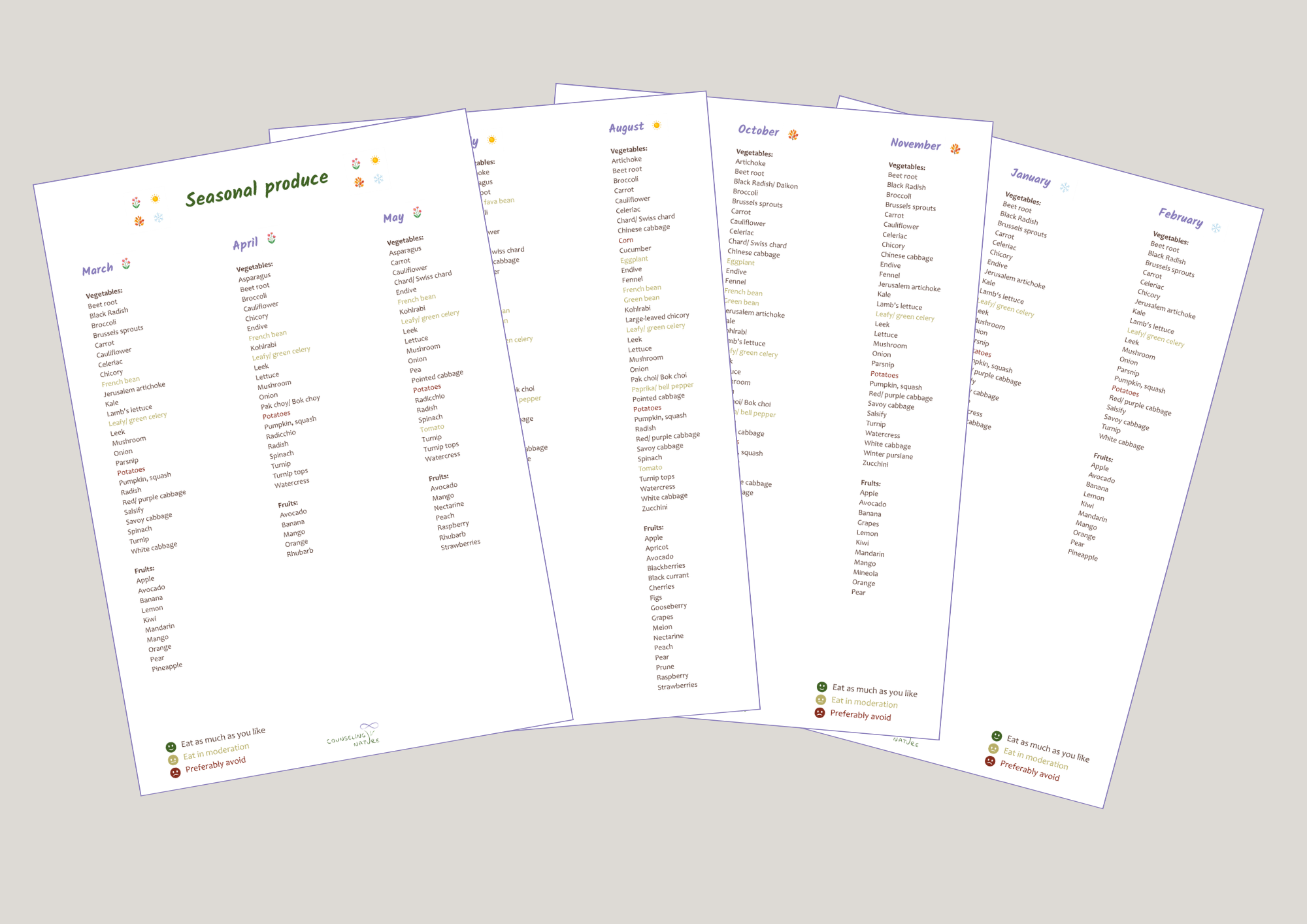
With the shortening of days, reduced exposure to natural light, and lest not forget daylight saving time, our circadian rhythm is disrupted in so many ways. This affects our metabolism and the internal clock of each organ in our bodies. To compensate for this, synchronize your daily rhythm to the rhythm of day and night as much as possible. Rise with (or shortly before) the sun, and wind down as it sets—going to bed soon afterward. The long dark hours can make it easy for us to lose track of time, and stay up later than intended, causing us to miss out on key moments for optimal healing during sleep. Maintaining consistent timeframes to sleep and rise helps you get the most out of both your rest and your day. Start and end your days slowly, and schedule the more intensive activities around the peaks of daylight. Plan your meals accordingly, with your largest and heaviest meal around high noon. Warm yourself up with a nourishing break-fast and keep dinner light if you eat three meals a day. This time of year is also an ideal time to try intermittent fasting, refraining from meals after sunset as your guideline. Mind the foods you eat and adjust to what is in season. Grounding and warming ingredients—like root vegetables, certain herbs and spices such as cinnamon—provide fuel and warmth from within, keeping you comfortable and satisfied for longer. Below you find a list of produce arranged by season. Download it now for free and make good use of it.
Seasonal eating
To get the most nutrients out of your food, choose fruits and vegetables that are in season (in your region). Click the button below to download a free PDF with a general overview of a wide range of produce organized by season.
Look within as you look into your reflection
As everything retreats during the coming seasons, take this time to pause and settle within yourself, as your surroundings offer you a mirror from without. Where in your life would you like to see improvements? Which steps are necessary to bring you closer to where you want to be? What can you do to prepare for your bloom in springtime? When will you start taking care of yourself? The “who” to turn to and the “how” to navigate your path and achieve your goals—you can find here at Counseling Nature. With pleasure, i guide, counsel, and support you as you invest the time and effort to rediscover your potential and revitalize your life. Reach out to me now, and together we will change course and redirect you towards your well-being and a fulfilled life.
Leave a Reply
You must be logged in to post a comment.